





JUBA, SOUTH SUDAN —
A South Sudanese official Tuesday said Sudan is dragging its heels on implementing agreements the two countries reached last year, especially on issues related to disputed border areas, including Abyei.
But while he painted a bleak picture around the agreements' implementation so far, South Sudan’s Minister of Parliamentary Affairs Michael Makuei Lueth, who is also the chairman of the Sudan-South Sudan border committee, insisted that Juba has not given up hope that the accords would one day be in place.
Makuel said Khartoum called off a meeting about the border that was scheduled to take place last week in Addis Ababa, at which the two sides were supposed to continue negotiations on disputed border areas. The meeting was supposed to have special focus on the Abyei region, which sits in the center of the nearly 2,200-kilometer border between the two countries and is claimed by both.
The status of the oil-rich,10,000-square-kilometer area has been in dispute since the signing of the 2005 Comprehensive Peace Agreement that ended more than 20 years of civil war in Sudan.
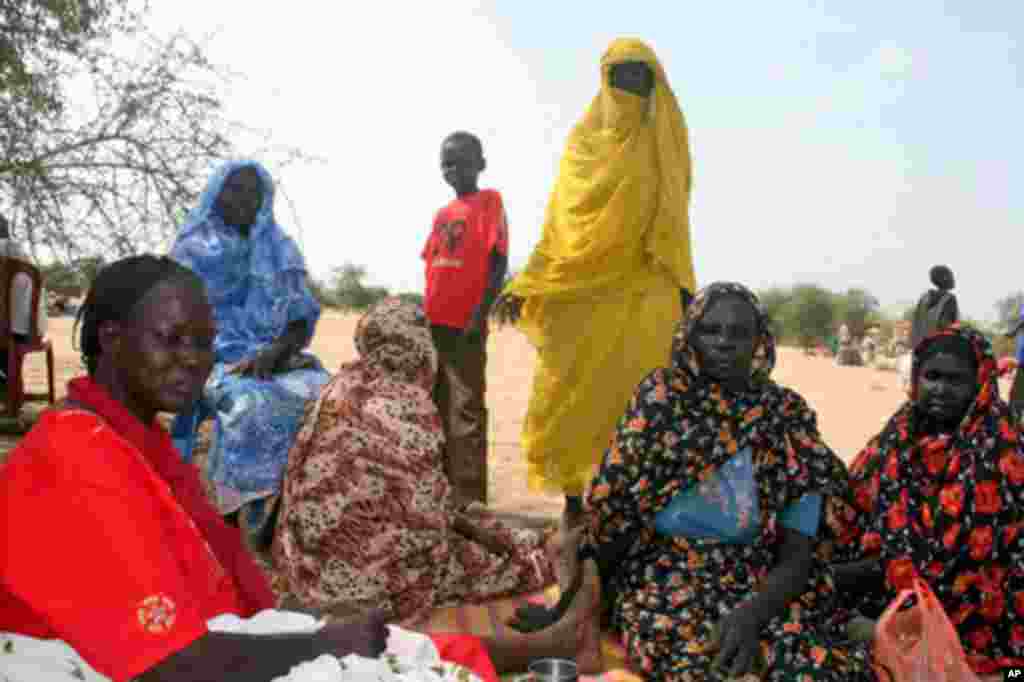
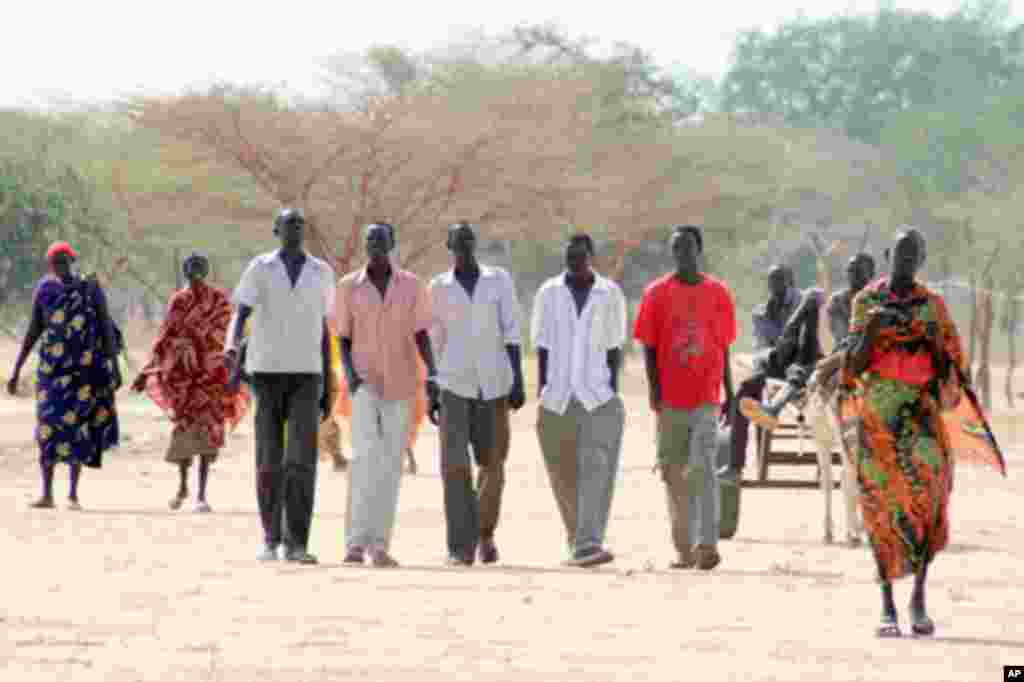
Prized for its fertile land and small oil reserves, Abyei is currently under United Nations' administration.
An African Union panel led by former South African President Thabo Mbeki has proposed holding a referendum in October in Abyei to determine the area's status. Khartoum has rejected the idea because it says members of the Arab Misseriya tribe, some of whom have settled in Abyei while others pass through on their way to watering and grazing grounds for their cattle, would not be allowed to vote.
Makuei said South Sudan officials have not given up on implementing agreements signed in September last year, hoping that international pressure will push Sudan to act.
“We will continue to press the government of Sudan. We will continue to press the international community to put the government of Sudan under pressure to respect and abide by the agreements,” he said.
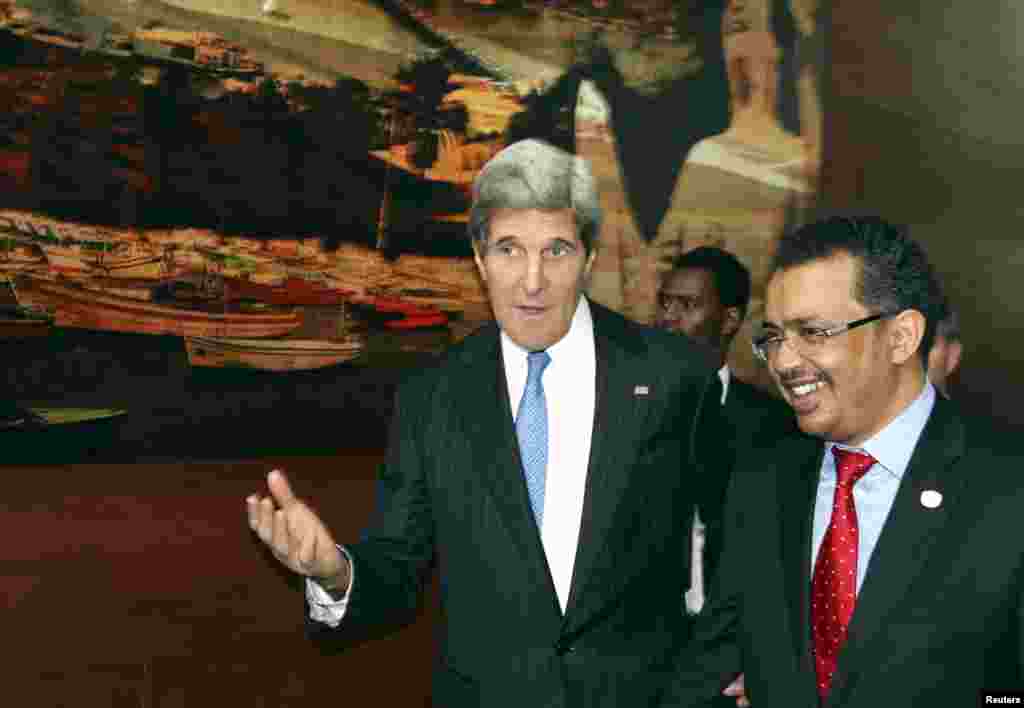
During the just-concluded A.U. summit in Addis Ababa, United States Secretary of State John Kerry urged Juba and Khartoum to allow the referendum proposed by the A.U. to take place.
"Abyei presents a special challenge," Kerry said in response to a question at a news conference in Addis Ababa.
"And I think we agreed that it was critical that Abyei be able to have a referendum with the appropriate Misseriya – that is the Miseria who actually live in Abyei and have residence there year-round, not the migrant Misseriya – that they be able to vote together with residents and then to decide the future," Kerry said.
But while he painted a bleak picture around the agreements' implementation so far, South Sudan’s Minister of Parliamentary Affairs Michael Makuei Lueth, who is also the chairman of the Sudan-South Sudan border committee, insisted that Juba has not given up hope that the accords would one day be in place.
Makuel said Khartoum called off a meeting about the border that was scheduled to take place last week in Addis Ababa, at which the two sides were supposed to continue negotiations on disputed border areas. The meeting was supposed to have special focus on the Abyei region, which sits in the center of the nearly 2,200-kilometer border between the two countries and is claimed by both.
The status of the oil-rich,10,000-square-kilometer area has been in dispute since the signing of the 2005 Comprehensive Peace Agreement that ended more than 20 years of civil war in Sudan.
Prized for its fertile land and small oil reserves, Abyei is currently under United Nations' administration.
An African Union panel led by former South African President Thabo Mbeki has proposed holding a referendum in October in Abyei to determine the area's status. Khartoum has rejected the idea because it says members of the Arab Misseriya tribe, some of whom have settled in Abyei while others pass through on their way to watering and grazing grounds for their cattle, would not be allowed to vote.
Makuei said South Sudan officials have not given up on implementing agreements signed in September last year, hoping that international pressure will push Sudan to act.
“We will continue to press the government of Sudan. We will continue to press the international community to put the government of Sudan under pressure to respect and abide by the agreements,” he said.
During the just-concluded A.U. summit in Addis Ababa, United States Secretary of State John Kerry urged Juba and Khartoum to allow the referendum proposed by the A.U. to take place.
"Abyei presents a special challenge," Kerry said in response to a question at a news conference in Addis Ababa.
"And I think we agreed that it was critical that Abyei be able to have a referendum with the appropriate Misseriya – that is the Miseria who actually live in Abyei and have residence there year-round, not the migrant Misseriya – that they be able to vote together with residents and then to decide the future," Kerry said.