



JUBA, SOUTH SUDAN —
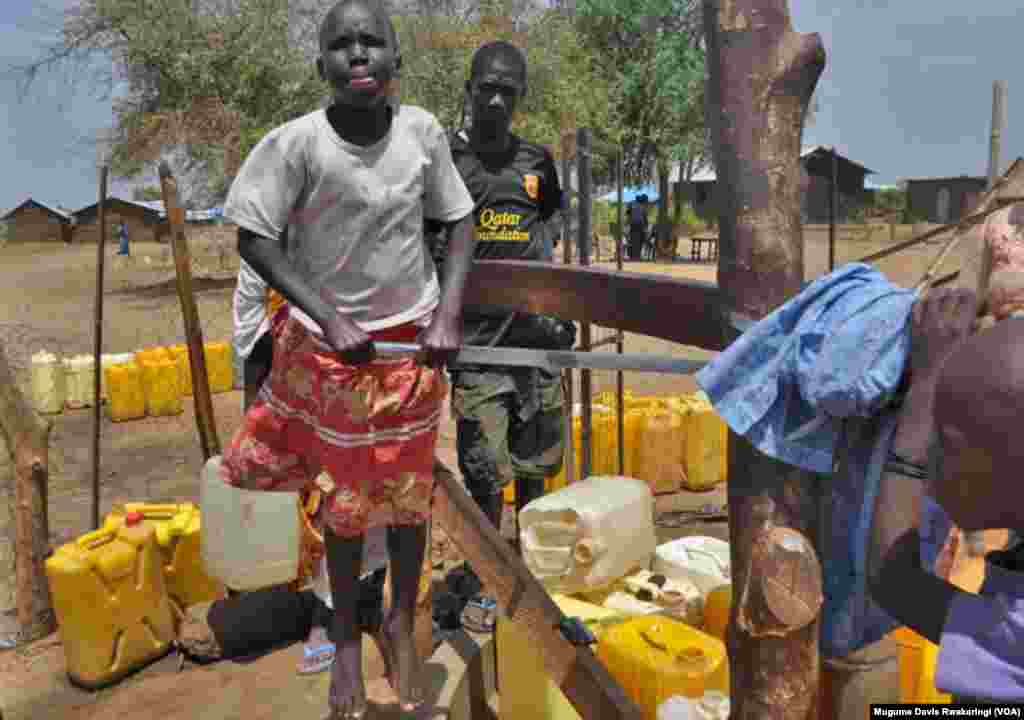
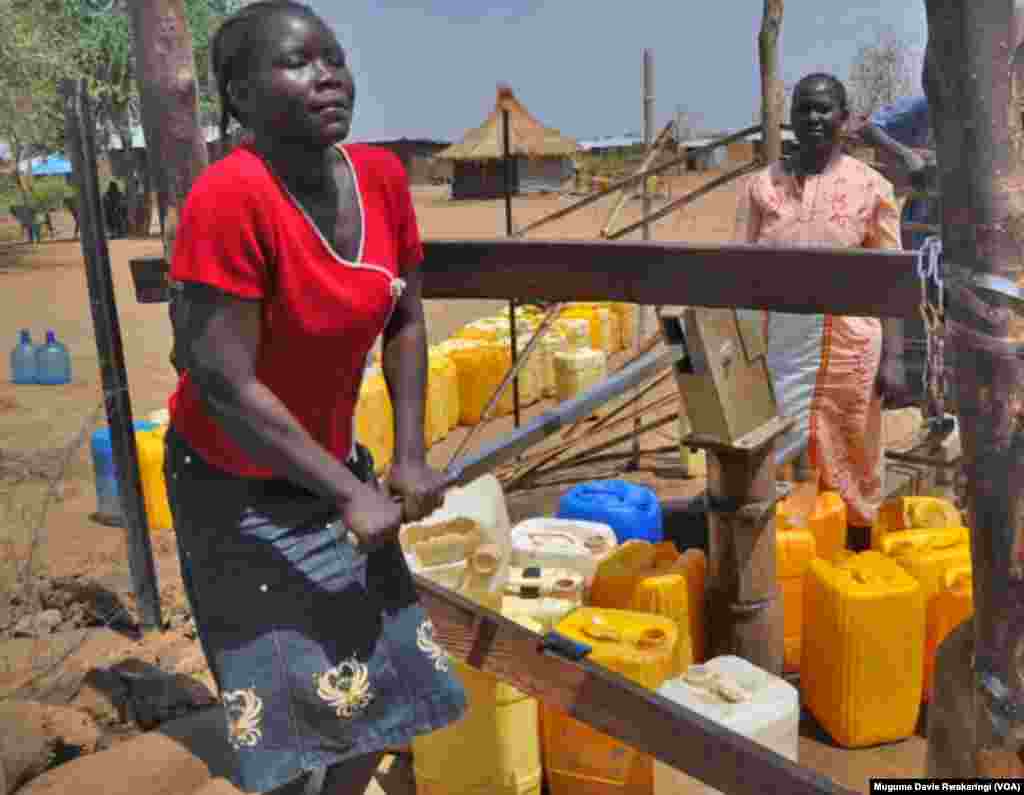
On World Water Day, Margret Kiden was able to find enough water near her home in Nyakuron East, a Juba suburb, to do her domestic chores – including the laundry for her husband and three kids.
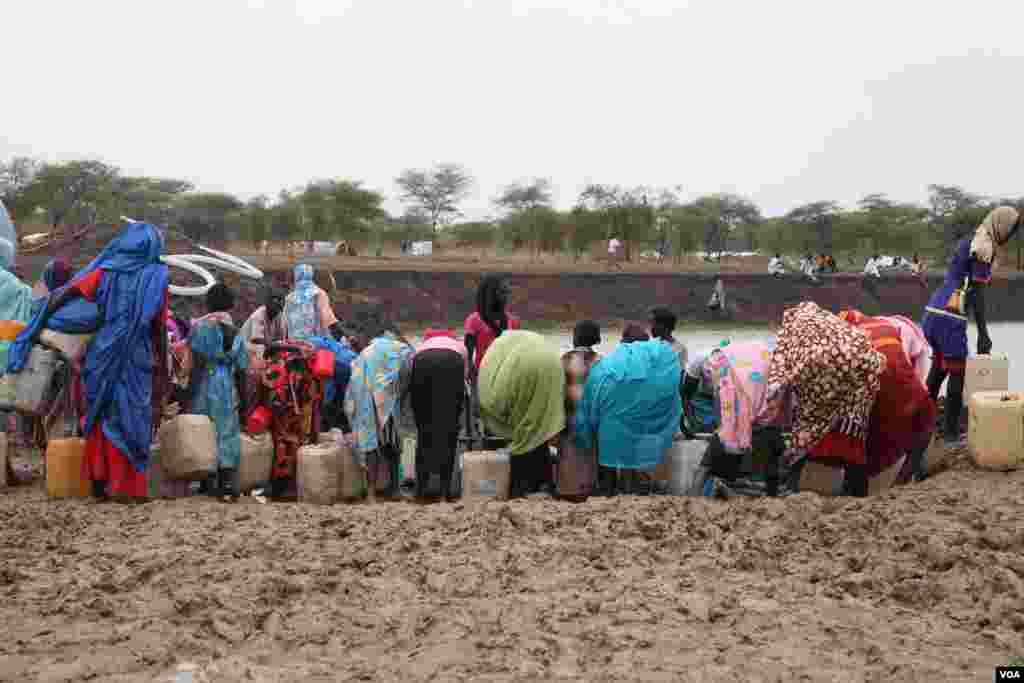
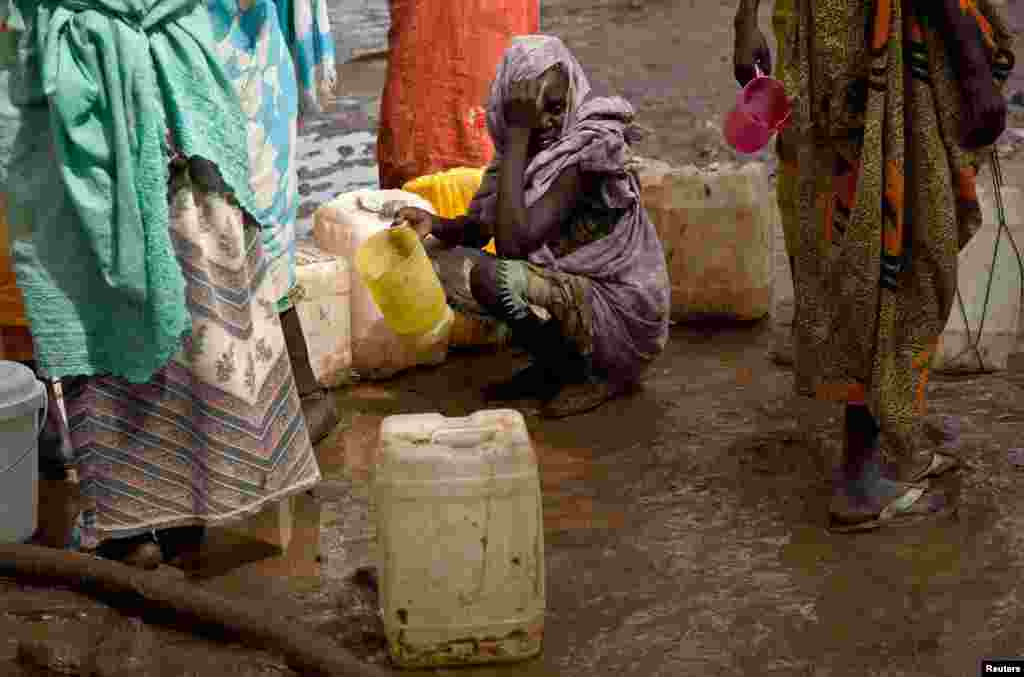
“We face many problems, there is no water here in Juba. It’s normally the water tanks which bring us water. At times, these water tanks are delayed, at times they bring dirty water and at times they don’t come” at all, said Kiden.
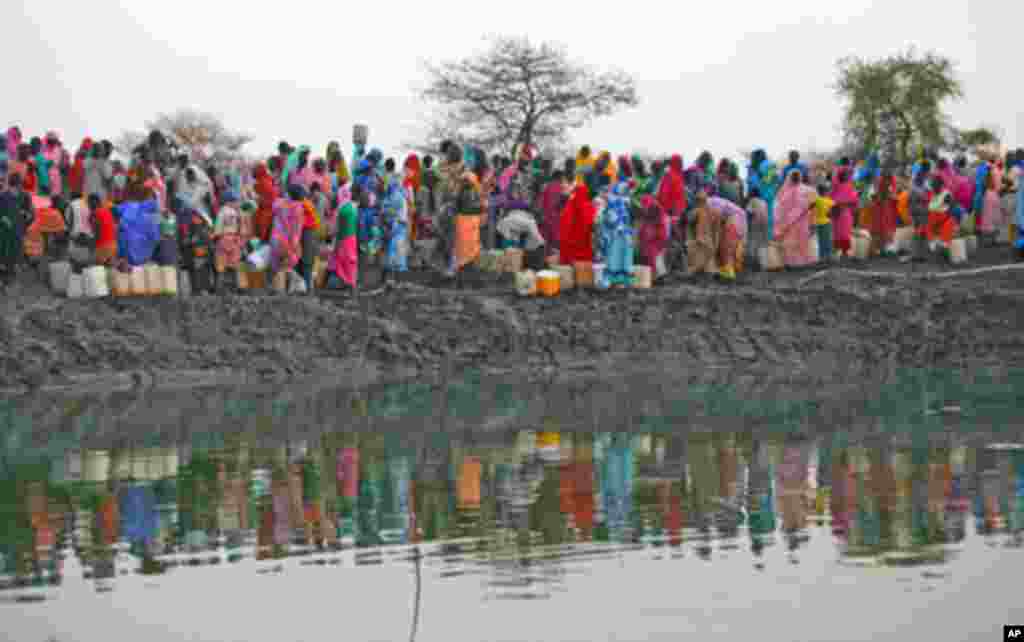
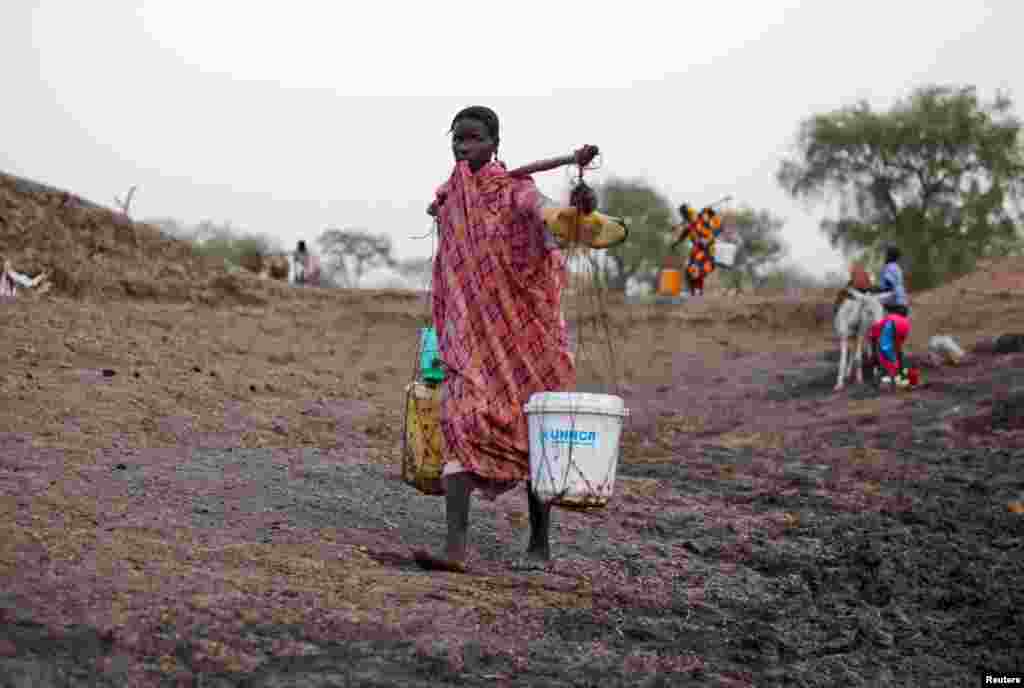
The international community is funding several projects around South Sudan to improve access to clean water. But the country’s under-developed infrastructure means that water resources are still strained in most areas.
Only around half the population has access to clean water. In Juba, rapid growth has further strained the water supply. The South Sudanese capital has grown from population of around 60,000 in 2005 to nearly 400,000 in 2011. The city’s water resources have not been able to keep up.
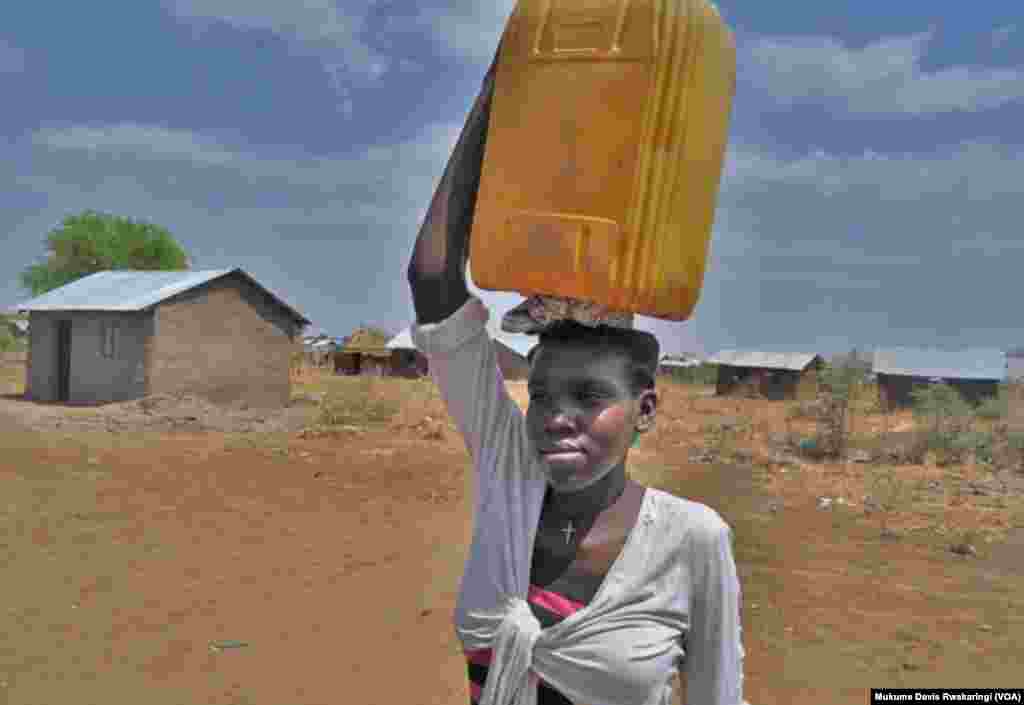
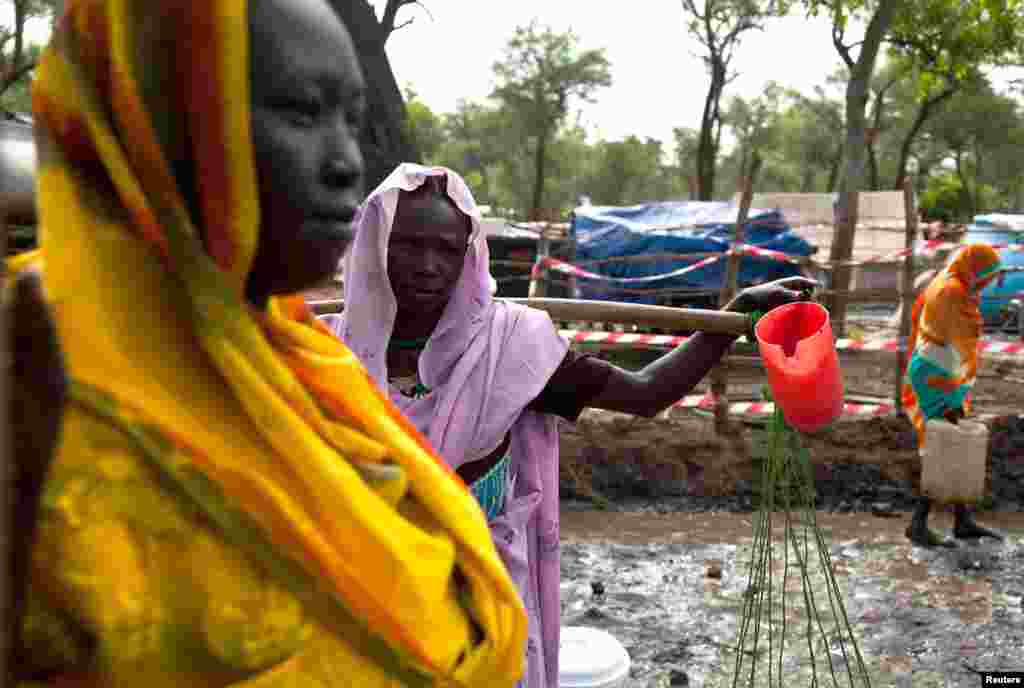
Residents of Juba usually get their water from tankers or from men who push bicycles through the streets with plastic containers, full of water, strapped to both sides.
Any water from the public water works is used exclusively for government buildings, leaving residents to look for other sources, according to a study by the Japan International Cooperation Agency (JICA).
JICA has launched a $40 million project to more than double water treatment capacity in Juba. The project is currently in the drafting stage, but once it is completed, another 350,000 people will have easier access to clean water.
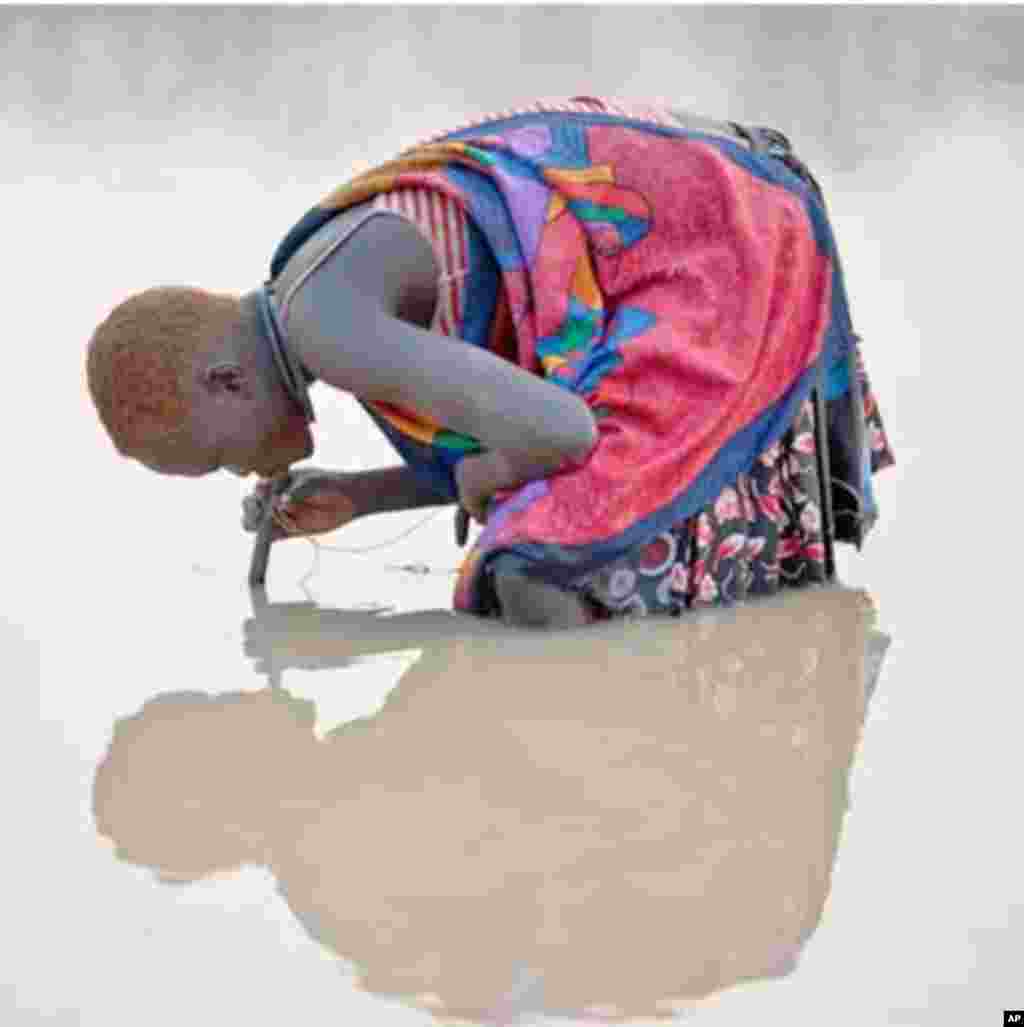
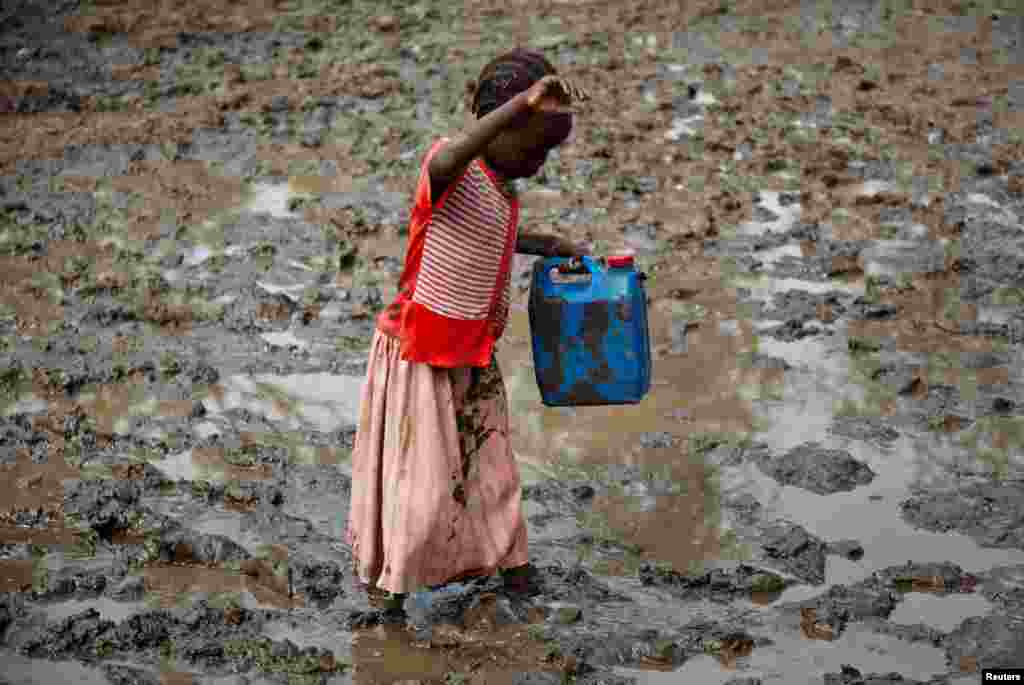
When the three boreholes in Nyakuron East stopped working two years ago, residents were left with only unclean nearby streams, which can carry diseases, or the traveling water tanks as their source of water.
Abale Keji says some residents have turned to another, more expensive solution.
"We buy maybe one or two bottles from a shop to at least cook for the children," Keji says.
A one-and-a-half-liter bottle of water can cost three South Sudanese pounds, slightly less than a dollar -- but exponentially more expensive by volume than the cost of a large tank
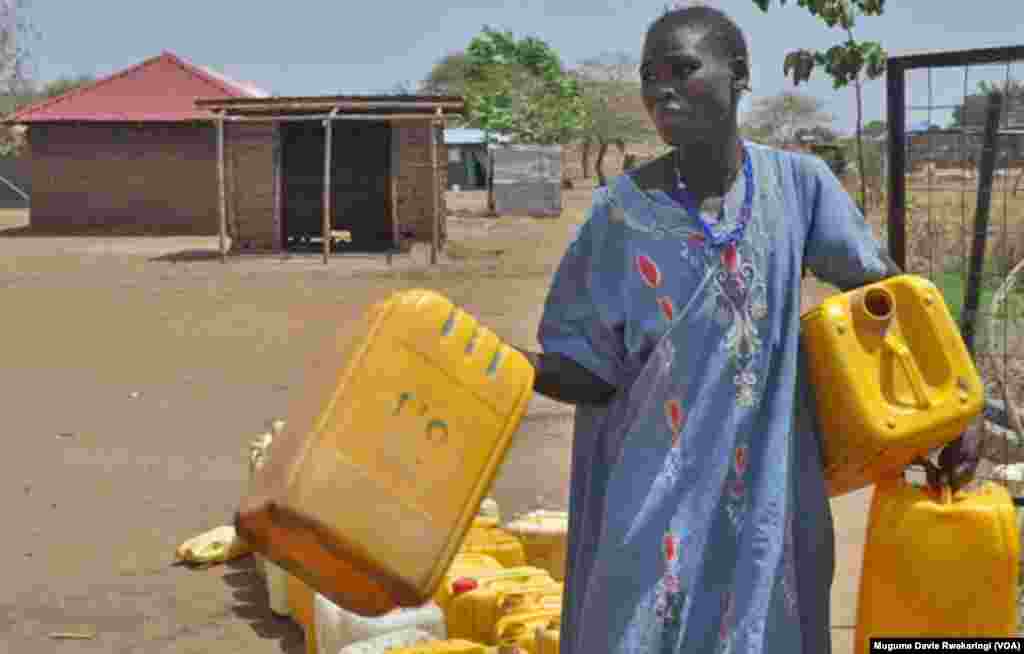
On a normal day, Keji needs at least 1,000 liters of water to cook for her family, wash their clothes and bathe. That amount of water is not only hard to come by, it also eats into families' small incomes.
Gross national income in South Sudan in 2011 was $984 per capita, or less than $3 a day.
“We face many problems, there is no water here in Juba. It’s normally the water tanks which bring us water. At times, these water tanks are delayed, at times they bring dirty water and at times they don’t come” at all, said Kiden.
The international community is funding several projects around South Sudan to improve access to clean water. But the country’s under-developed infrastructure means that water resources are still strained in most areas.
Only around half the population has access to clean water. In Juba, rapid growth has further strained the water supply. The South Sudanese capital has grown from population of around 60,000 in 2005 to nearly 400,000 in 2011. The city’s water resources have not been able to keep up.
Residents of Juba usually get their water from tankers or from men who push bicycles through the streets with plastic containers, full of water, strapped to both sides.
Any water from the public water works is used exclusively for government buildings, leaving residents to look for other sources, according to a study by the Japan International Cooperation Agency (JICA).
JICA has launched a $40 million project to more than double water treatment capacity in Juba. The project is currently in the drafting stage, but once it is completed, another 350,000 people will have easier access to clean water.
When the three boreholes in Nyakuron East stopped working two years ago, residents were left with only unclean nearby streams, which can carry diseases, or the traveling water tanks as their source of water.
Abale Keji says some residents have turned to another, more expensive solution.
"We buy maybe one or two bottles from a shop to at least cook for the children," Keji says.
A one-and-a-half-liter bottle of water can cost three South Sudanese pounds, slightly less than a dollar -- but exponentially more expensive by volume than the cost of a large tank
On a normal day, Keji needs at least 1,000 liters of water to cook for her family, wash their clothes and bathe. That amount of water is not only hard to come by, it also eats into families' small incomes.
Gross national income in South Sudan in 2011 was $984 per capita, or less than $3 a day.